With a focus on the intersection of decolonial thinking, solutions journalism, and well-being. For media leaders who want to reshape how the world is understood.Weekly in your inbox on Sundays.
How to keep your head cool around AI
|
Let's welcome new subscribers from Malaysia, Cambodia, and Germany, Reader! This week, my head felt so full. We’re working on the next edition of Cracks magazine, and my colleague Priya immersed herself in the world of network states, and I went down a few rabbit holes as well. Online communities that seek sovereignty is the short description. Inspired by the state of Israel and often classed as tech-fascist is a longer one. As a digital nomad myself, I puzzled my way through manifestos, essays, investigative pieces, and commentary until my brain overheated. Some of it, I’m using in this week’s newsletter, has become quite… long, which brings me to the poll of this week.
If your answer isn’t mentioned, hit reply and send me an email. I’m reflecting on how to continue with this newsletter in 2027. Your feedback is most important! Sanne DEEP DIVEHow to keep your head cool around AI: the machine god narrative is harmfulIt’s not hard to get an overheated brain when following the news: the rise of the far right, the problems of the manosphere, accelerating climate change, technology-advanced warfare, militarism spread through the police force, suppressing surveillance policies, and god-like AI controlling and perhaps extinguishing us all very soon. Or isn’t it all that alarming? The midterm elections in the United States last week gave somewhat of a breather:
Did the “blue tsunami”, as some populist newspapers described it, wash away the idea that most people want less democracy and more platform capitalism? Or were US voters' motives more mundane, looking at the rising cost of living and gas prices? (Tip: have a look at Dear Data’s If One Group Voted Map). According to NBC exit polls, almost a full quarter of voters surveyed counted “AI data centers” as “crucial” to their vote. Maybe the reality is that if politics moves too far from daily worries, the self-correcting, democratic mechanism works, and people take their power back? The data centre is perhaps a good example. It is the epitome of all crises combined, and it follows a colonial pattern:
Artificial intelligence scientist Dr. Timnit Gebru is surprised that everything tech billionaires say is taken as gospel by many journalists. She strongly criticizes the mainstream media for acting as a megaphone for tech companies rather than practicing independent journalism. Gebru was fired from Google in 2020 after writing a paper on the risks of large language models, including structural bias against women and people belonging to ethnic minorities. She co-founded Black in AI (a community for Black AI researchers) and later founded the Distributed Artificial Intelligence Research Institute (DAIR) to investigate artificial intelligence from an independent, community-oriented perspective, with an eye for the impact on vulnerable and Black communities. In the Uncanny Valley by WIRED podcast episode Is AI’s Existential Threat Real?, Gebru explains the difficulty of debunking false narratives that have been spread by media before they get to interviewing the actual expert (like she is). She says that tech futurists sell you a story in which the future happens to us, as if we can’t stop it. The newest buzzword is “recursive intelligence”: AI improving itself in a loop where humans are no longer needed. Gebru’s Institute DAIR shows through the Data Workers Inquiry that data workers in the Global Majority are actually the ones making AI look “superintelligent”. The “machine god”- narrative is not just a distraction, according to Gebru: “It’s harmful.”
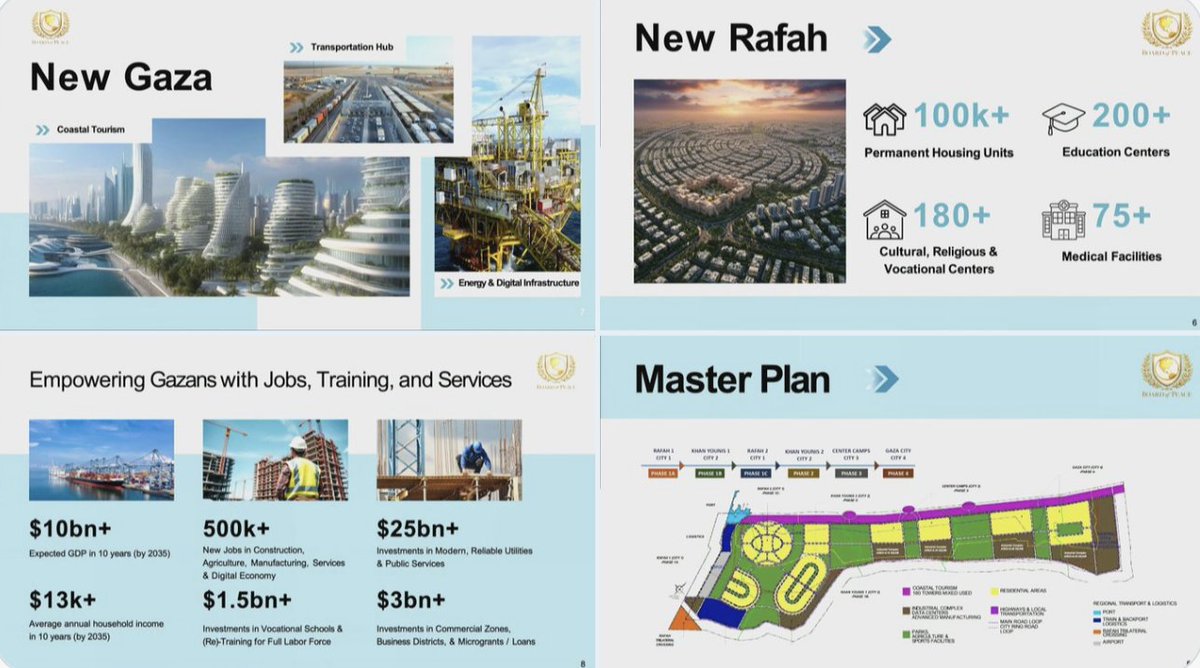
“Just like the tobacco industry and fossil fuel industry playbook, there’s a playbook here where the same billionaires who founded and funded Anthropic stand to benefit so much more from its IPO, more than anybody else, also founded and funded the institutions warning about “existential risks” of AI, also founded and funded the third parties that are being cited right now as if they’re an independent entity.” Artificial intelligence is placed in such an exceptional field nowadays, as if it’s beyond our (regulatory) control. She concludes with a lesson for all of us: “I have to actively make space for the kind of models that I think should be built and building them and sometimes ignore the noise. Debunking the false claims isn’t fun; it’s more fun to think about the future you want to have, the technology you want to have, and work on that.” The AI Resist List is a good starting point; it shows initiatives creating alternative tech futures “that don’t kill the environment, that don’t exploit labour, or steal data and instead are actively helping their communities and these ideologies are spreading,” as Gebru explains. Gaza at the centerWhen Jared Kushner presented the plan for “New Gaza” at the beginning of this year, it included building data centers on the ruins of Gaza genocide, as independent media platform Truthout reported. No cultural sites, nor restoring any parts of Gaza that retain Palestinian heritage or life. It follows the same colonial logic as mentioned above, where an industrial zone shows progress, and Palestinians are “pushed behind walls and gates” (like data workers in Global Majority countries), as Palestinian American writer Susan Abulhawa described on X.
In Palestine, many of the current crises seem to come together. UN Special Rapporteur Francesca Albanese is continuously analyzing it along those lines, calling it in the UNAPOLOGETIC podcast “the Israelisation of society”. After the presenter mentions the decline of Western values, she says:
“We need to see this in continuity. This is what this moment tells me. What we have seen is not new. The conscientisation is new: the fact that the martyrdom of the Palestinian people has been watched in real time day in and day out, through and through. (...) We have reached a phase of awareness, which I call the Israelization of our societies. People need to understand the next stage. There are unwanted populations that we already have: migrants and refugees. They are already in gated communities. They are already surveilled. They are already the ones without rights.” TIP: I’m currently reading Albanese’s book When the World Sleeps: Stories, Words, and Wounds of Palestine, and it shows how much she had to unlearn as a European to now speak so eloquently and precisely as she does on a global stage today. And the essay by Arundhati Roy for Equator magazine is more dystopian but worth a read. What does this mean for storytelling, for journalism, for strategic communication?Remember my overheated brain? The network state rabbit hole eventually also led to recognizing the colonial logic as described above. How can we escape it, though? Start by communicating about it. My literary impulse purchase this week explained why:
“The work of reading and writing literature stands in opposition to all acts that destroy life.” (From: Light and Thread, a non-fiction collection by Nobel laureate Han Kang)
Leading for Transformation is back!What does it mean to be a narrative leader in 2027? How can you take the lead in helping people to understand the world? Stories are more important than ever, but by whom, where, and how do they get told? For leaders in journalism, (strategic) communication, and content creation. We start on 14 January.
See you next week! Sanne P.S.: The Inclusive Journalism Weekly is free and reader-supported. If it's useful to you, you can support it on Patreon. |

Inclusive Journalism Newsletter
With a focus on the intersection of decolonial thinking, solutions journalism, and well-being. For media leaders who want to reshape how the world is understood.Weekly in your inbox on Sundays.
Francesca Albanese with our Cracks magazine, at Ubud Writers and Readers Festival 2026. How are you this weekend, Reader? I've neglected you after not writing a newsletter for two weeks. The picture above is part of why: I was at Ubud Writers and Readers Festival, where I spoke with United Nations Special Rapporteur on the situation of human rights in the Palestinian territory occupied since 1967, Francesca Albanese, among other interesting authors and thinkers. Have a look at the short video...
A flower in my friend's garden, Bali, Indonesia. Hi, Reader, Last Friday I joined a panel at the Mental Health in Journalism Summit, organized by The Self-Investigation. The event ran for four days and brought together journalists, academics, and educators from around the world. Read more below! Is modern journalism in a crisis? It's a question from a different panel at a different conference, but I enjoyed watching it, especially now. And I think you should too: Sanne Mental health is a...
House of Bali Aga, North Bali. Happy Tuesday, Reader, This newsletter arrives two days late because I didn’t want to rush the writing on Sunday. A slower pace and unplugging myself from the internet sometimes is needed :). I visited historical sites in Bali, Indonesia, and I attended a natural dye workshop. The places I visited are mentioned in Anne-Lot Hoek’s book The Struggle for Bali, about the island’s independence war against the Dutch between 1945 and 1949. Most people know Bali only as...